Thoughts and notes on mindfulness, simplicity, and intentional living.
About
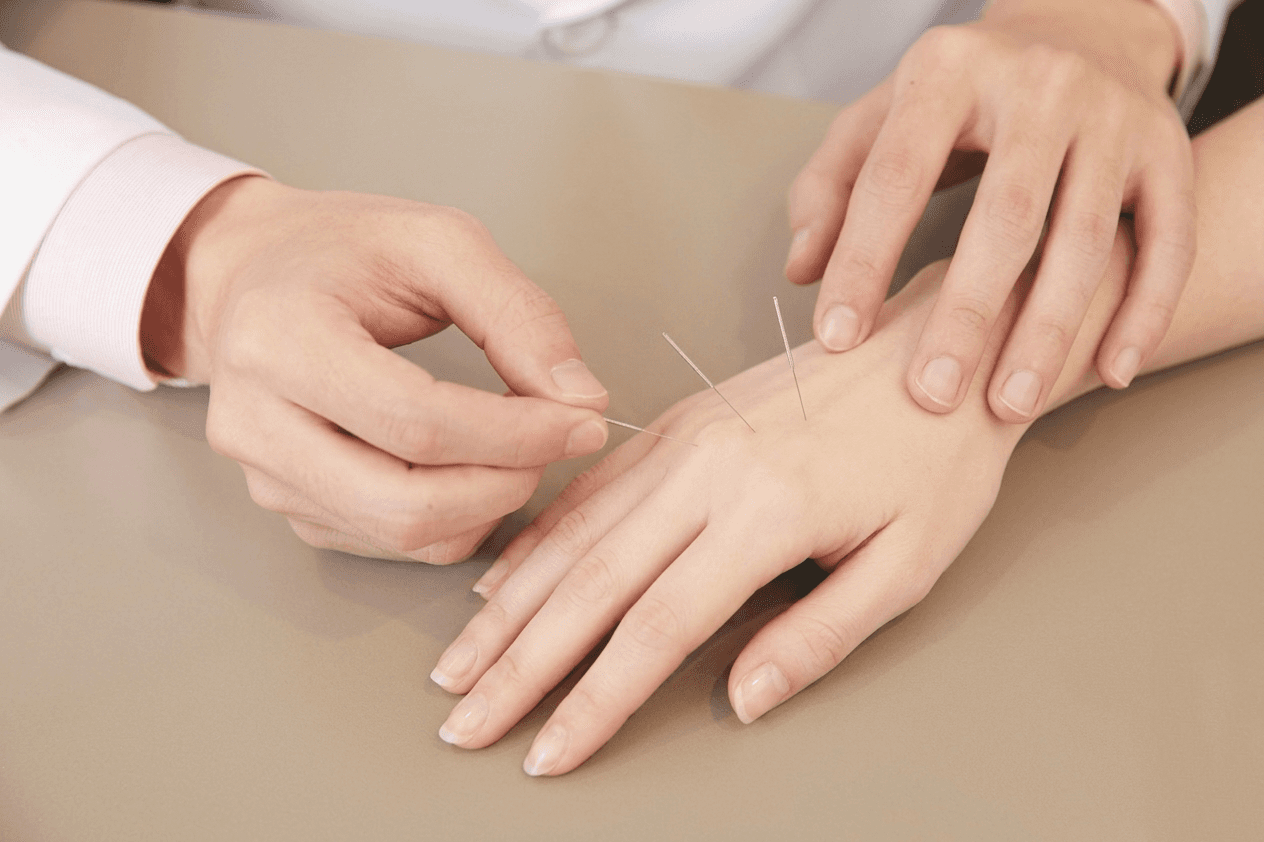
Hello, I am Jin-won Lee. I earned my PhD in Korean Medicine from Kyung Hee University in Korea. After 17 years of clinical experience as a Korean Medicine Doctor starting in 2010, I am now practicing as a licensed acupuncturist in Washington State.
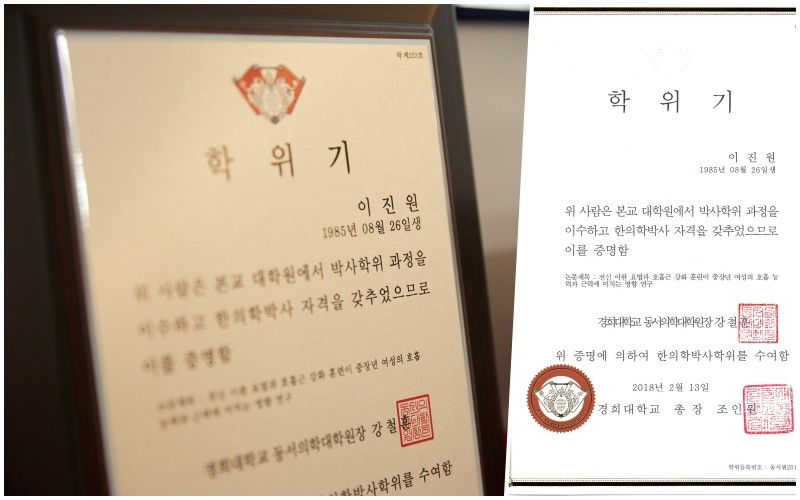
My path into medicine began with my own struggle with severe IBS as a child. I tried many treatments at numerous hospitals, but without meaningful improvement. That experience led me to pursue East Asian medicine so that I could better understand illness and help others facing similar suffering.
After graduating and beginning my clinical career, I collaborated with internal medicine specialists, surgeons, and rehabilitation specialists at general hospitals. (In Korea, Korean medicine doctors hold an MD-equivalent status and are able to provide independent diagnosis and treatment.) Through this collaborative environment, I treated many patients with complex and refractory conditions.
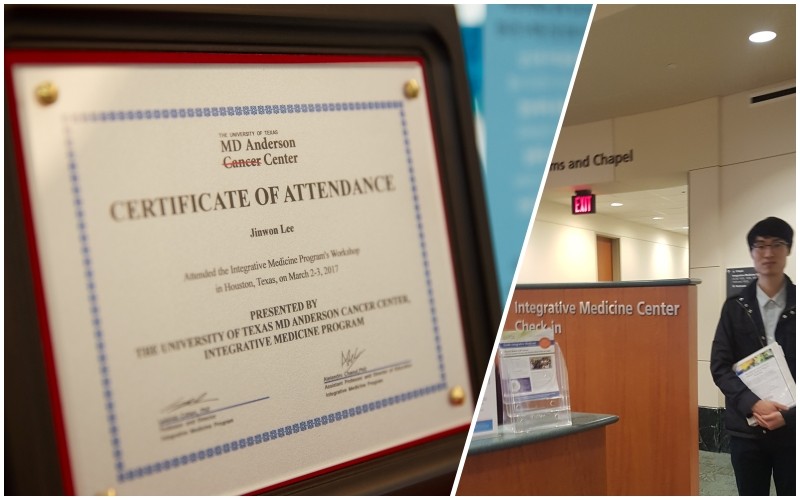
My perspective on integrative medicine—including traditional Korean medicine—expanded as I managed long-term inpatient care for those suffering from digestive disorders, severe diabetes, autoimmune diseases, and the side effects of cancer treatments such as surgery, chemotherapy, and radiation. To further exchange these clinical ideas, I completed the Integrative Medicine Program at MD Anderson Cancer Center in Texas.
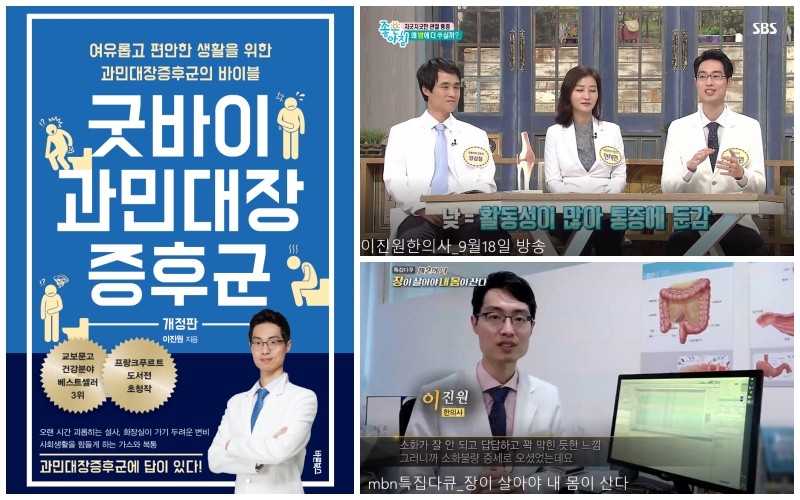
Later, while operating a private clinic, I published "Goodbye IBS", based on my clinical experience. The book became a top three bestseller in the medical category in Korea and was selected by the Korea Publication Industry Promotion Agency for the 2017 Frankfurt Book Fair as a Korean practical book. As a result of my clinical work and research, I also appeared regularly on national television and participated as a consultant for documentaries, which gave me more opportunities to meet and help patients.
In Korea, many patients visit Korean medicine clinics for pain management. Because I wanted to treat pain more effectively, I earned my master’s degree in Korean Rehabilitation Medicine. My doctoral dissertation was also in the field of rehabilitation, and this allowed me to build extensive clinical experience in chronic pain rehabilitation.
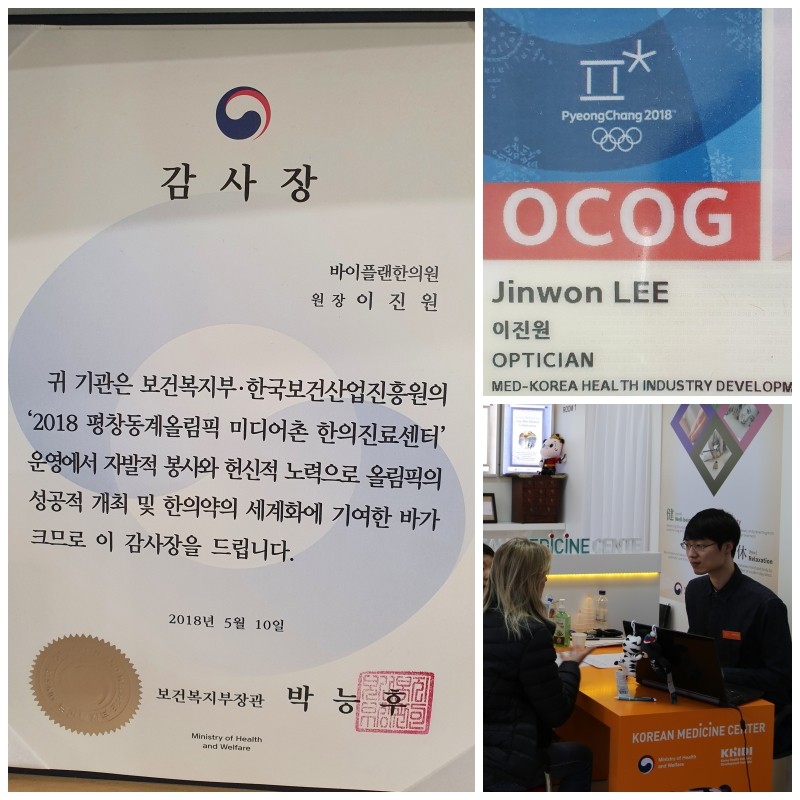
As part of this work, I was selected to serve as a Korean medicine doctor for the PyeongChang 2018 Winter Olympics Press Center, where I received the "Letter of Appreciation, Ministry of Health and Welfare" for medical support at the 2018 PyeongChang Winter Olympic press center.
Through treating a wide variety of conditions, I came to understand that IBS, chronic pain, and many other disorders are closely connected to the autonomic nervous system and to a person’s psychological and emotional state. Although pain, rehabilitation, internal medicine, and cancer may appear to be separate fields, they are deeply connected from a holistic perspective. I have come to believe strongly that while it is important to identify where the physical problem lies, true healing occurs only when we view the person as a whole, including their mind and emotional state.
As I embraced this holistic approach, my clinic continued to grow into a large Korean medicine hospital. There, I treated many patients using nutrition, natural medicine, and APIT therapy. In particular, I provided extensive supportive care for cancer patients, and I later published Cancer Cure Roadmap in Korea to share the insights I had gained.
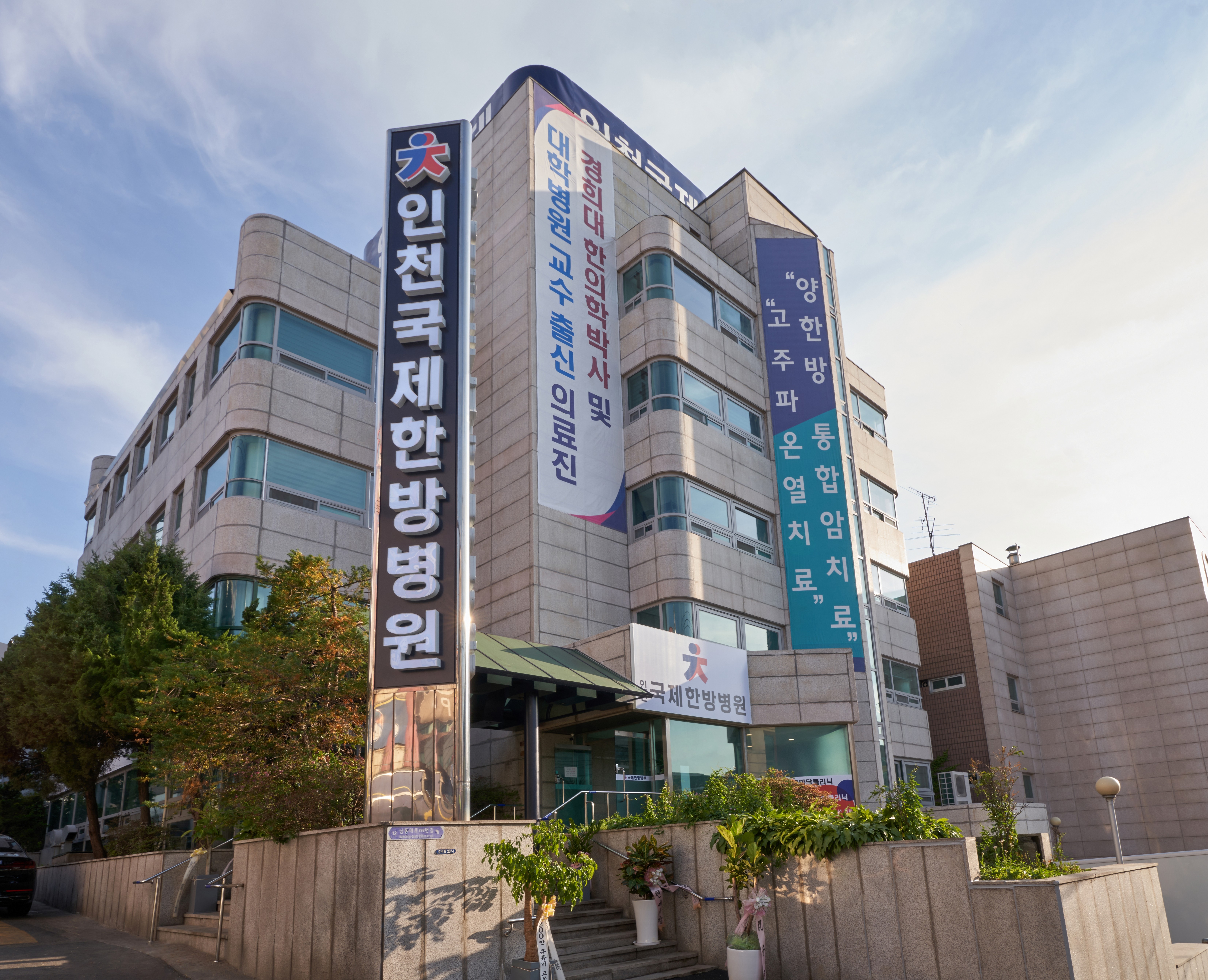
Until the end of 2025, I operated a large hospital in Korea with more than 100 staff members, including 7 physicians and Korean medicine doctors and 6 physical therapists. After closing a major Korean hospital that could accommodate 98 inpatients, I now hope to continue my work in the Washington area.
I remain committed to continuous research and devoted care for the well-being of my patients in Washington.